
NSE IPO
Hyundai, LIC and Paytm IPOs: How Their Debut Performances Compare Ahead of NSE Listing
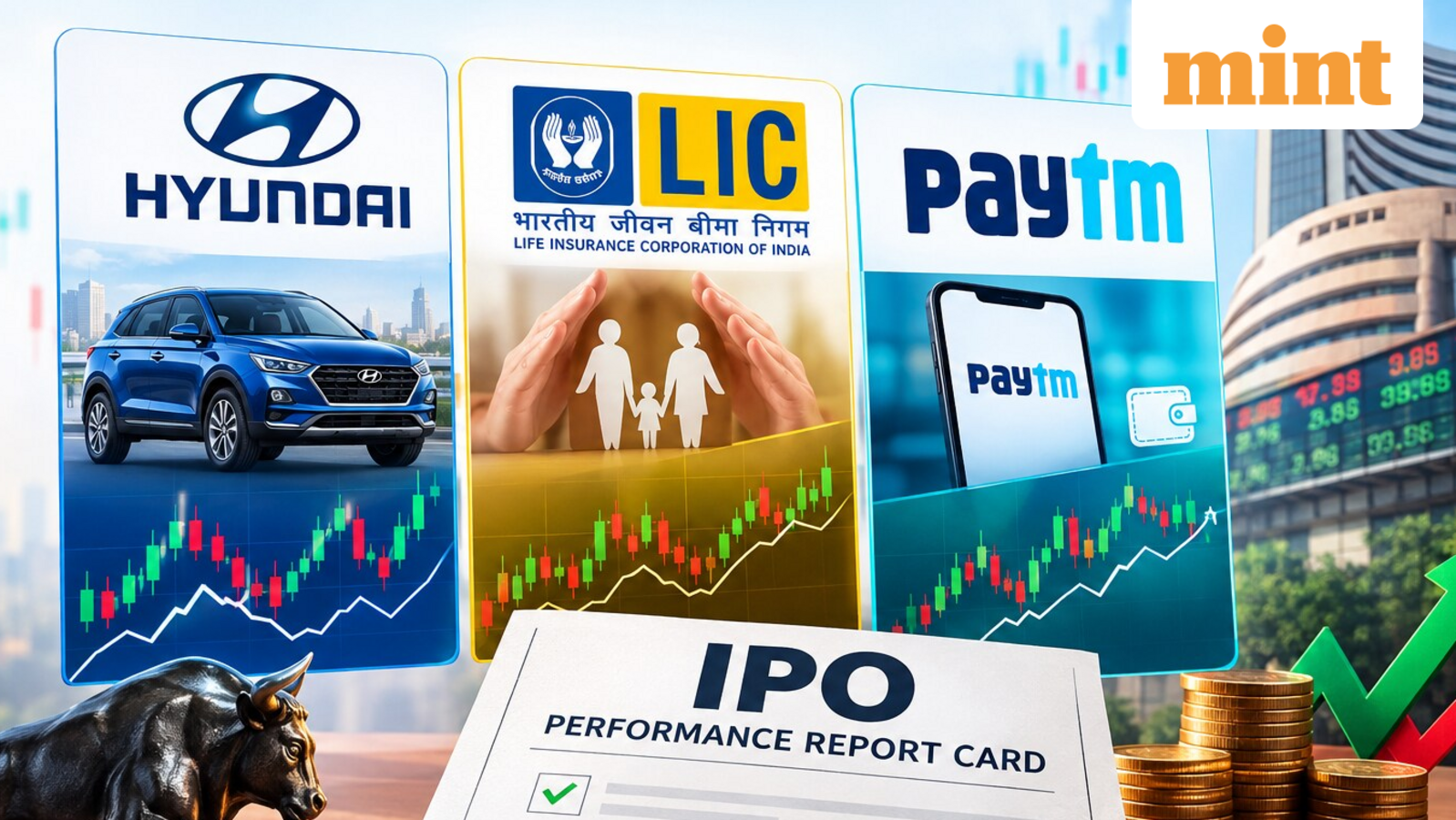
The National Stock Exchange is set to make its debut on Dalal Street on September 24, prompting investors to look back at how three major Indian IPOs performed on their listing days. Ahead of the NSE listing, the exchange debuts of Hyundai Motor India, Life Insurance Corporation of India and Paytm offer useful benchmarks for market expectations.
Hyundai Motor India’s ₹27,858 crore IPO opened in October 2024 at ₹1,934 per share, below its issue price of ₹1,960. After a muted start, the stock remained range-bound for six months before gaining strength in April 2025. It later hit a record high of ₹2,890 but faced a correction due to broader market weakness and rising crude oil prices. At Wednesday’s close of ₹2,095, the stock trades 8.3% above its IPO price.
LIC’s ₹20,557 crore IPO debuted in May 2022 at ₹867.20, 8.62% below the issue price of ₹949, and closed the first day at ₹875.25, down 7.75%. The stock struggled for nine months before entering a strong uptrend from April 2023 to August 2024, delivering nearly 100% gains. The IPO was subscribed 2.05 times, and the company announced a 1:1 bonus issue in May.
Paytm’s parent, One 97 Communications, launched its ₹18,300 crore IPO in November 2021. Shares debuted at ₹1,950, a 9.3% discount to the ₹2,150 issue price. The stock fell sharply to around ₹310 in 2024 due to regulatory pressures and prolonged correction. Since then, it has rebounded significantly, gaining about 220% from its 2024 lows. At the current price of ₹1,775, Paytm is up roughly 472% from its record low but remains 17.44% below its IPO price.
These trajectories highlight the varied post-listing paths of large Indian IPOs, ranging from slow recoveries to sharp rebounds and volatility-driven corrections. As the NSE prepares for its own market debut, these historical performances provide context for investor sentiment and early trading expectations.
Market Spider rewrites market reports for information only—not investment advice. Trading in securities involves risk of loss.