
Hang Seng Index
Hang Seng, Taiwan Taiex Fall on Bond Yield Spikes and Oil Volatility
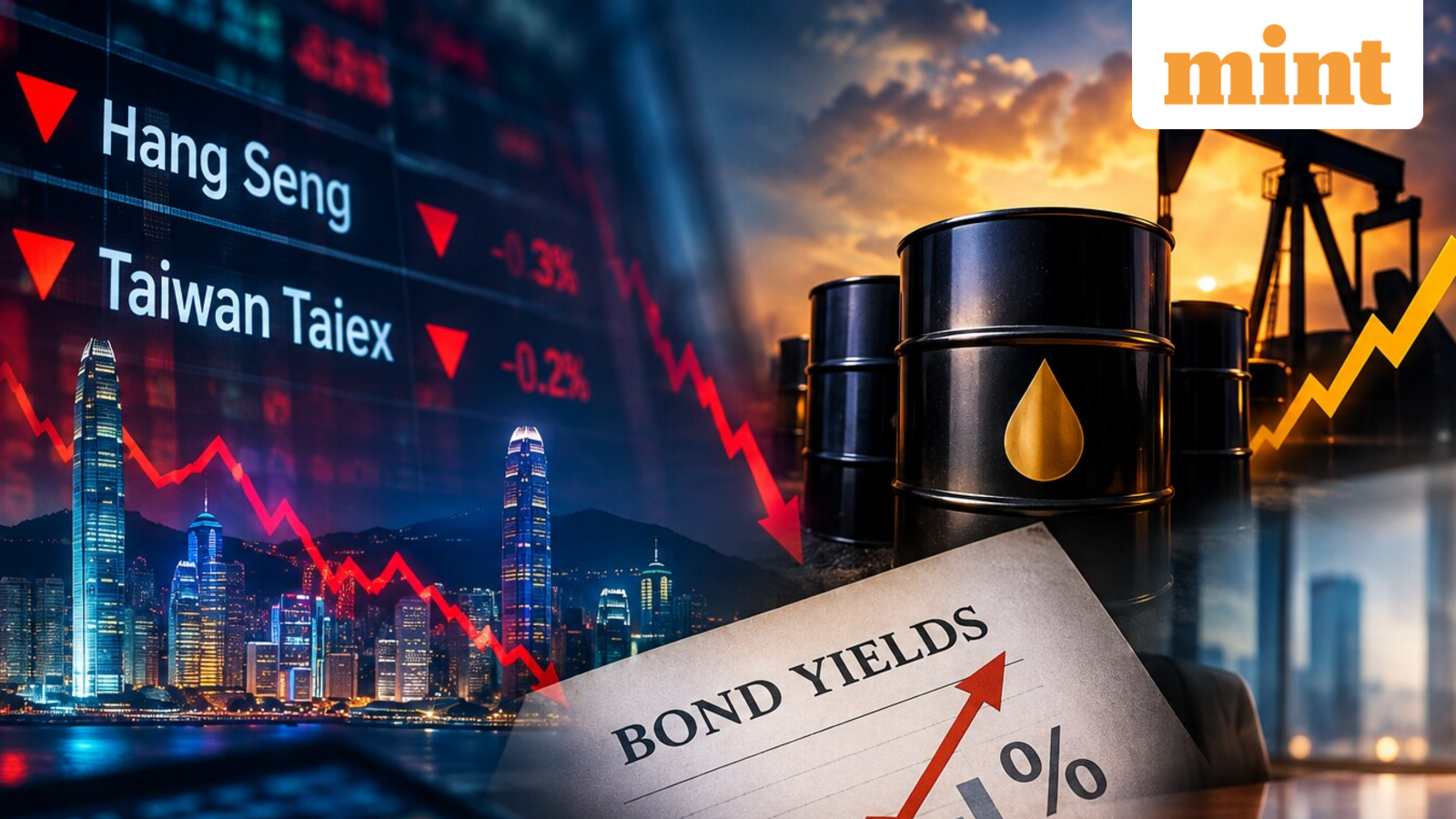
The Hang Seng index closed 0.3% lower on September 24, slipping below the 25,000 mark for the second straight session as Asian markets tracked Wall Street’s decline. The Taiwan Taiex also fell 0.28% to close at 48,025, paring gains after hitting a record high the previous day and ending a six-session winning streak.
Market sentiment was pressured by a global bond sell-off, with the US 10-year Treasury yield steadying at 5.12% after a 15-basis-point jump the prior day—the largest one-day increase since April 2025’s tariff announcement. The yield had risen above 5% for the first time since 2007, driven by weak demand at a five-year Treasury auction, stronger US economic data, hawkish Federal Reserve comments, and elevated oil prices.
Yields climbed globally, with Japan’s 10-year JGB yield reaching 3.055%, its highest since August 1996, while UK Gilts and German Bunds also hit multi-year highs. At the same time, oil prices rebounded sharply, with US crude rising 2.35% to $94.33 a barrel and Brent gaining 2.77% to $106.94 a barrel, fueling inflation concerns.
Traders increased bets on further Federal Reserve tightening, with swaps pricing in three quarter-point rate hikes over the next year and significant hedging for a fourth, which could push the target rate to 4.75%-5%. Fed Governor Michael Barr reiterated that additional hikes are likely needed to bring inflation down to the 2% target.
Adding to uncertainty, investors remained cautious about the upcoming meeting between US President Donald Trump and Chinese President Xi Jinping at the White House, expected to cover trade, the Iran conflict, and artificial intelligence. Analysts expressed skepticism about major breakthroughs, though Treasury Secretary Scott Bessent confirmed the two sides had agreed to extend their trade truce by two months.
The Shanghai Composite also declined, falling 1.2% to 3,888.37, marking its largest intraday drop in a month. No investment advice is implied in this report.
Market Spider rewrites market reports for information only—not investment advice. Trading in securities involves risk of loss.