
Indian stock market
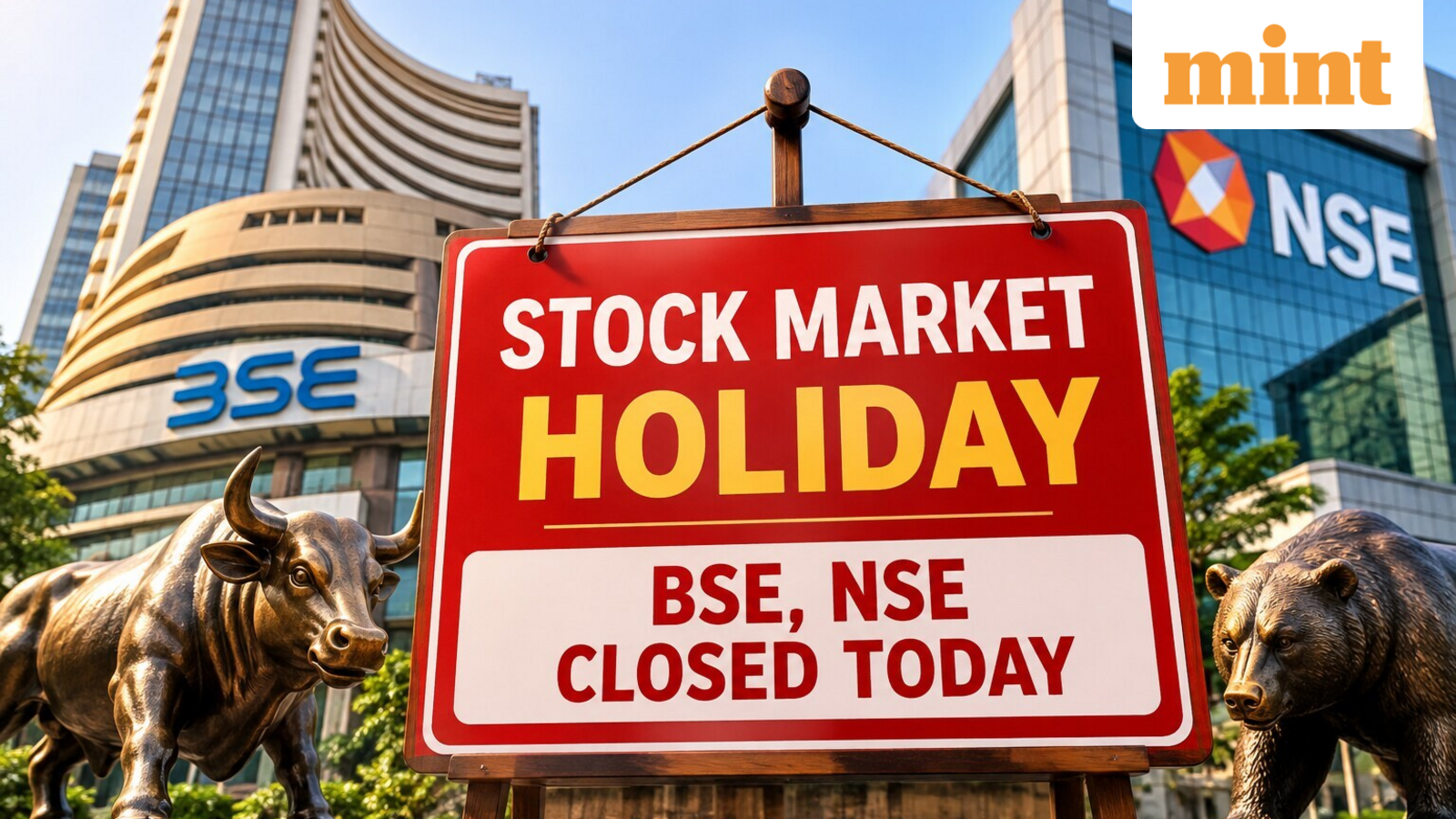
BSE, NSE closed on October 2 for Gandhi Jayanti holiday
The Indian stock market remained closed on Friday, October 2, 2026, in observance of Mahatma Gandhi Jayanti. Trading was suspended across major segments of the BSE and National Stock Exchange (NSE), including equity, equity derivatives, currency derivatives, NDS-RST, and tri-party repo. Commodity derivatives and electronic gold receipts (EGR) segments were also closed, with MCX and NCDEX observing the holiday.
As per the exchange holiday calendars, the market will remain shut on Tuesday, October 20, for Dussehra, marking the second trading holiday in October. Following this, scheduled closures include November 10 for Diwali, November 24 for Prakash Gurpurb Sri Guru Nanak Dev, and December 25 for Christmas.
On Thursday, October 1, the Sensex fell 570.59 points, or 0.79%, to close at 71,909.70, touching an intraday low of 71,292.88—a fresh 52-week low. The Nifty declined 198.50 points, or 0.88%, ending at 22,421.95. Over the week, the Sensex dropped 2.68% and the Nifty fell 3.10%, extending losses for the fourth straight session.
For September, the Sensex ended 5.81% lower at 4,476.98 points below the prior close, while the Nifty declined 6% or 1,459.95 points. Persistent foreign institutional investor (FII) selling, rising crude oil prices, and elevated US bond yields weighed on sentiment. Brent crude rose 2.77% to USD 100.8 per barrel, increasing pressure on India’s import-dependent economy.
Asian markets showed mixed trends on Friday, with Japan’s Nikkei 225 down 0.79% to 68,413.03 and Hong Kong’s Hang Seng falling 2.5%. South Korea’s KOSPI edged down 0.02%, while China’s exchanges remained closed for the National Day Golden Week. US stocks ended higher overnight as Treasury yields eased from multi-decade highs, though the 10-year yield held at 5.25%.
Market analysts attributed the domestic equity pressure to global headwinds, including rising interest rates, inflation concerns, and geopolitical risks. Domestic institutional investor (DII) buying provided some cushion against FII outflows but did not reverse the trend. The upcoming RBI policy decision was highlighted as a key domestic trigger, with expectations of a rate hike to support the rupee and manage imported inflation.
Market Spider rewrites market reports for information only—not investment advice. Trading in securities involves risk of loss.